
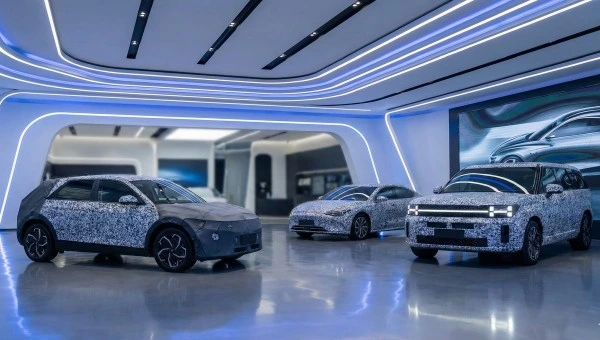
As we look forward, the hyundai cars in 2026, the South Korean giant isn’t just planning a few updates, it’s preparing a systematic dismantling of its competition. From the acquisition of the Talegaon manufacturing plant to a clear pivot toward mass-market electrification, Hyundai’s 2026 strategy is aggressive, calculated, and frankly, a bit intimidating for its rivals.
It’s the year they stop playing defense in the crossover segment and start a full-scale assault on the EV space. Here is a comprehensive look at what’s coming to a showroom near you.
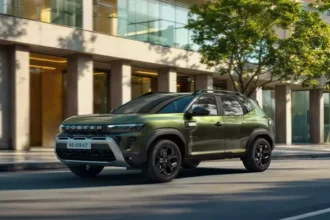
Hyundai Bayon
The most critical gap-filler in Hyundai‘s portfolio is a lifestyle crossover. Currently, the Maruti Suzuki Fronx and Toyota Taisor are minting money in a segment Hyundai completely lacks.
Based on the i20 platform, the India-spec Bayon will be shortened to under 4 meters to qualify for GST benefits. It features a sharp, wing-shaped aesthetic that looks more aggressive and SUV-lite than the standard hatchback.
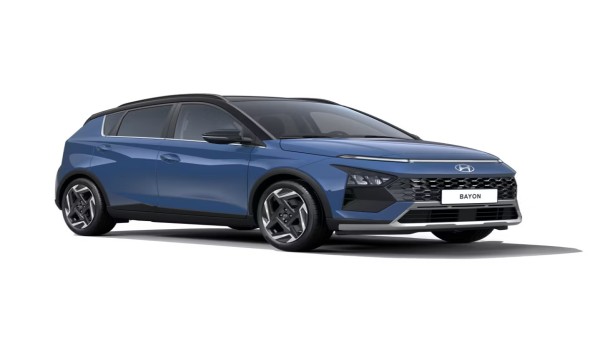
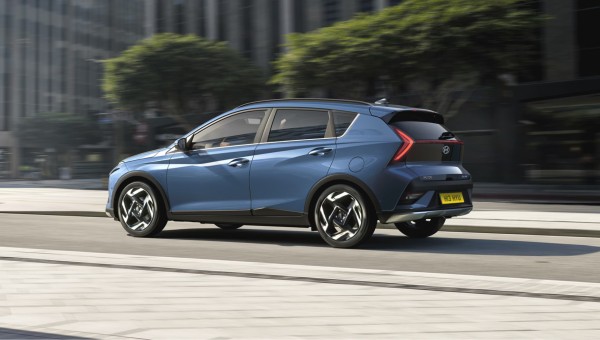
If Hyundai gives it the 1.0L Turbo-GDi engine with a snappy DCT and that signature premium interior, the style-conscious urban buyer will have a very difficult choice to make.
| Feature | Specification (Projected) |
| Engine Options | 1.2L NA Petrol / 1.0L Turbo Petrol / 1.2L Turbo (Hybrid-Ready) |
| Max Power | 83 PS (1.2L) / 120 PS (1.0L Turbo) |
| Transmission | 5-speed MT, IVT / 6-speed MT, 7-speed DCT |
| Key Tech | Dual 10.25-inch screens, Level 1 ADAS, 360° Camera |
| Expected Price | ₹8.5 Lakh – ₹14.5 Lakh |
| Expected Launch | Q3 2026 |
Hyundai Palisade
If the Bayon is Hyundai’s dagger for the compact segment, the Palisade is aimed at the premium end. For years, the Indian market has been a playground for the Toyota Fortuner, which has enjoyed a near-monopoly in the ₹40-₹50 lakh SUV space.
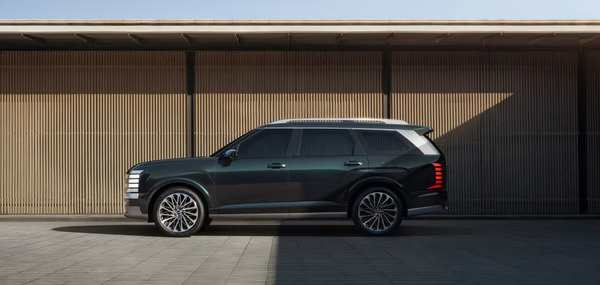
While global reports and some Indian portals have optimistically pegged the Palisade launch for May 2026, while the internal industry roadmaps (via Autocar India) suggest a more realistic entry closer to 2028.
The Palisade isn’t just an SUV, it’s a high-tech land-yacht. It is designed to offer a luxury experience that makes the Fortuner feel archaic. Right now, there is a massive gap between the Tucson and the Ioniq 5. The Palisade would fill that Big SUV hole that Mahindra’s upcoming XEV 9e targets.
| Feature | Specification (Projected) |
| Engine Options | 2.5L Turbo-Petrol Hybrid / 3.8L V6 Petrol / 2.2L Diesel |
| Max Power | ~280 hp – 334 hp (Hybrid combined) |
| Max Torque | 460 Nm (Hybrid) |
| Transmission | 8-speed Automatic (Shift-by-wire) |
| Seating Capacity | 7, 8, or the rumored 9-seater Business Class |
| Tech Highlights | Dual 12.3-inch curved screens, Fingerprint Start, UV-C Sterilizer |
| Safety | ADAS Level 2+ (360° Vision, Blind-spot monitoring) |
| Expected Price | ₹45 Lakh – ₹55 Lakh (Ex-showroom) |
Hyundai Verna Facelift
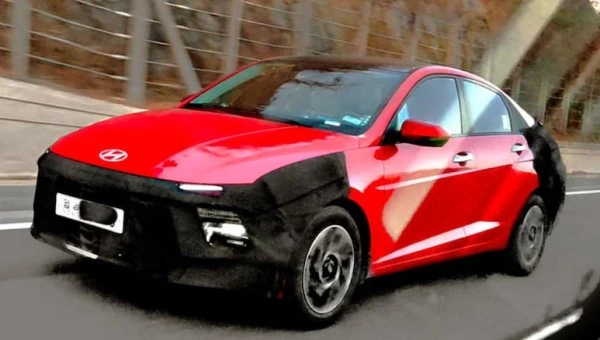
The current Verna is a masterpiece of engineering for design. For 2026, Hyundai is listening to the critics. Recent spy shots suggest a Sonata-inspired redesign. We’re talking about a more a more aggressive front bumper and a move toward the Curved Display dashboard architecture seen in newer global models.
| Feature | Specification |
| Engine | 1.5L Turbo GDi (160hp) / 1.5L NA Petrol |
| Safety | 6 Airbags (Standard), Level 2 ADAS with 20+ functions |
| New Features | Dual 12.3-inch curved displays, Heated/Ventilated seats |
| Expected Launch | Q2 2026 |
| Expected Price | ₹12 Lakh – ₹19.5 Lakh |
| Expected Launch | Q2 2026. |
Hyundai Tucson Facelift
The Tucson is Hyundai’s global best-seller, but in India, it plays the role of the premium flagship. The 2026 facelift (codenamed NX5) will focus on sensuous sportiness.
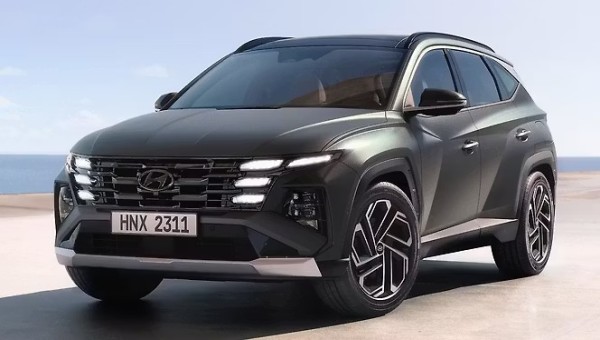
As Mahindra moves upmarket with the XEV 9e, Hyundai is refreshing its D-SUV flagship. The 2026 Tucson facelift features the Parametric Jewel grille with more integrated DRLs.
The biggest change, however, is inside. The gear selector is expected to move to the steering column (similar to the Ioniq 5), freeing up massive space in the center console for a minimalist, lounge-like cockpit.
| Feature | Specification |
| Engine | 2.0L Diesel (186hp) / 2.0L Petrol |
| Drivetrain | HTRAC All-Wheel Drive (AWD) |
| Interior | Panoramic Curved Display, Physical AC controls |
| Expected Launch | Mid-2026 |
| Expected Price | ₹30 Lakh – ₹38 Lakh |
Hyundai Inster EV
The real battleground for the #2 spot will be fought with electrons. The Inster EV is Hyundai’s smallest electric vehicle, based on the quirky Casper. It is designed to take the fight directly to the Tata Punch EV and MG Windsor EV.
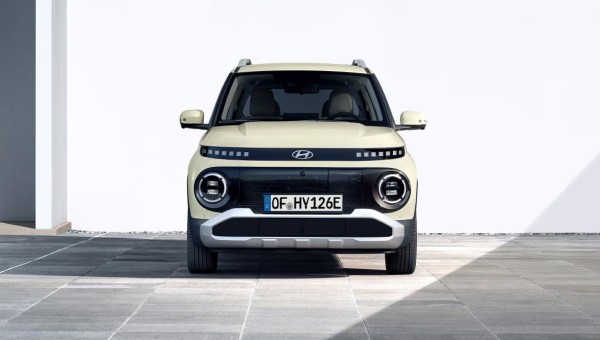
Expect two battery options-a 42 kWh pack for city dwellers and a 49 kWh Long Range version claiming around 355 km (WLTP). In the real world, 280-300 km is a safe bet, which is the sweet spot for Indian consumers.
| Feature | Specification |
| Battery Pack | 42 kWh (Standard) / 49 kWh (Long Range) |
| Claimed Range | 300 km (Standard) / 355-370 km (Long Range) |
| Motor Output | 97 PS (Standard) / 115 PS (Long Range) |
| Fast Charging | 10% to 80% in ~30 mins (120 kW DC) |
| Unique Tech | Vehicle-to-Load (V2L) capability, Digital Key, Compact 3.8m length |
| Expected Price | ₹10 Lakh – ₹14 Lakh |
Hyundai Ioniq 6 EV
First showcased in India at the Auto Expo 2023, the Ioniq 6 is a low-slung, aerodynamic sedan with a focus on range and efficiency. It is expected to arrive as a CBU (Completely Built Unit) in late 2026.
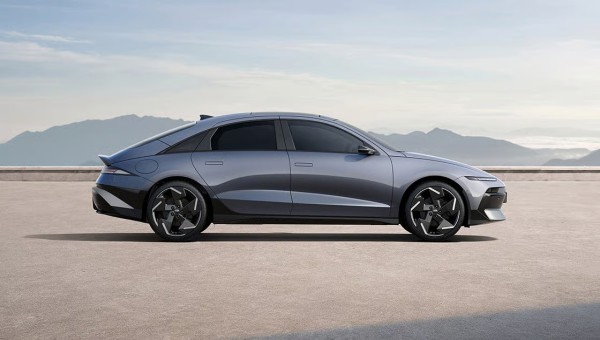
| Feature | Specification |
| Battery | 77.4 kWh (E-GMP Platform) |
| Range | 614 km (WLTP) |
| Performance | 0-100 km/h in 5.1 seconds (AWD) |
| Expected Launch | Late 2026 |
| Expected Price | ₹60 Lakh – ₹65 Lakh |
Hyundai Ioniq 9 EV
The Ioniq 9 is Hyundai’s biggest EV to date-a massive, 5-meter-long, three-row SUV built on the E-GMP platform. It is the cousin to the Kia EV9 and is designed to provide a lounge-on-wheels experience.
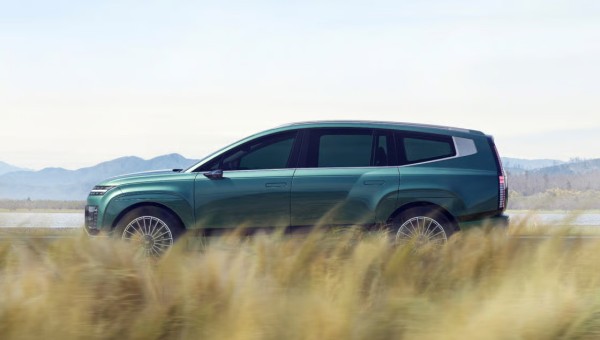
| Feature | Specification |
| Battery | 110.3 kWh (Massive) |
| Range | ~620 km |
| Seating | 6-seater (Swiveling chairs) or 7-seater |
| Tech | UV-C Sterilizer, Digital Side Mirrors, 14-speaker Bose System |
| Expected Price | ₹1.2 Crore – ₹1.3 Crore |
Hyundai India: 2026 Launch Roadmap
| Model | Segment | Main Rival | Expected Launch |
| Bayon | Sub-4m Crossover | Maruti Suzuki Fronx | August 2026 |
| Verna Facelift | Mid-size Sedan | Skoda Slavia / VW Virtus | April 2026 |
| Inster EV | Compact EV | Tata Punch EV | June 2026 |
| Tucson Facelift | Premium D-SUV | Jeep Meridian / Mahindra XUV700 | June 2026 |
| Palisade | Full-size Luxury SUV | Toyota Fortuner | Late 2026 (Speculated) |
Can Hyundai Win Back the Crown
Mahindra’s 2025 victory was built on Authentic SUVs and a rugged brand image. Hyundai’s 2026 response is built on Versatility and Technology. By launching the Bayon, they finally stop the bleeding in the compact crossover space. By launching the Inster and Ioniq twins, they offer a more mature EV ecosystem than Mahindra’s first-gen BE platform. However, the real challenge will be the Thar-factor – Mahindra has captured the emotional, lifestyle buyer. Hyundai needs to prove that Sensuous Sportiness can be just as exciting as Rugged Adventure.
2026 isn’t just another year for automobile company like Hyundai India – it is a fight for their legacy.