
In the world of smartphones, there is an unspoken expiration date that every user dreads. For millions of iPhone users across India and the globe, that day seems to have arrived with the release of Apple’s latest software iteration: iOS 18.7.3. While the tech giant is known for providing long-term support for its devices, the recent rollout has left a significant group of users specifically those using the iPhone 11 series and older unable to hit the update button.
The news has sparked a wave of confusion on social media, as many users expected their devices to stay relevant for at least another year. However, the hardware reality of older iPhones is finally catching up with the demands of modern software.
What is Happening?
Apple recently pushed out iOS 18.7.3, primarily as a maintenance and security update designed to patch vulnerabilities and improve system stability. While the iOS 18 ecosystem initially supported devices as old as the iPhone XR, this specific incremental update has implemented a stricter hardware filter.
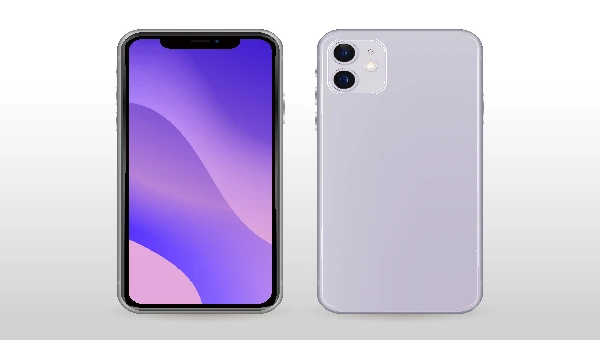
Users of the iPhone 11, iPhone 11 Pro, and iPhone 11 Pro Max, along with older models like the iPhone XR, XS, and XS Max, are reporting that the update simply does not appear in their settings. For these users, the system claims they are already on the latest version, even though newer models like the iPhone 13 or 15 are successfully downloading the update.
The Technical “Why”
The answer usually lies in the architecture of the processor. The iPhone 11 runs on the A13 Bionic chip. While this was a powerhouse in 2019, it lacks the specialized neural engines and memory management capabilities required by the latest lines of code in iOS 18.7.3.
Tech experts suggest that Apple often forks its software. This means that while the name of the update is the same, the actual code sent to an iPhone 16 is very different from what is sent to an older model. In the case of iOS 18.7.3, the features or security fixes included might require hardware-level encryption or processing speeds that the A13 and A12 chips simply cannot handle without overheating or lagging.
Rather than releasing an update that would make your phone slow or buggy, Apple chooses to block or exclude those iPhone 11 & below models from the rollout to preserve the user experience.
Is Your Phone Now “Unsafe”?
The biggest concern for Indian users, who often hold onto their iPhones for 4-5 years, is security. If you can’t update to the latest version, does that mean your banking apps and personal data are at risk?
Not necessarily. Apple has a history of releasing legacy patches. Even if you cannot move to iOS 18.7.3, Apple frequently releases separate security updates (like iOS 17.x or 16.x patches) for older hardware to fix critical bugs. However, you will miss out on any new interface features, emojis, or performance tweaks bundled with the 18.7.3 version.
What Should Users Do?
If you own an iPhone 11 or older, there is no way to force this update onto your device. Using third-party software to bypass Apple’s restrictions is highly discouraged, as it can “brick” your phone or leave it wide open to hackers.
For now, the best course of action is to:
- Check for alternative updates: Go to Settings > General > Software Update and see if there is a “Security Update” specific to your current version.
- Monitor Battery Health: Older chips struggle more with new software when the battery is degraded. If your battery is below 80% health, the phone will feel even slower on older software.
- Plan for an Upgrade: While the iPhone 11 remains a functional device for calling, WhatsApp, and basic photography, this update block is a clear signal from Apple that the device is entering its “sunset” phase.